

Quick answer
The vang vieng hot air balloon accident occurred on May 13, 2012, when a balloon collided with trees during an emergency landing, killing five passengers and injuring six. The crash was attributed to sudden wind gusts and inadequate pilot response protocols. Following the incident, Laos grounded all commercial balloon operations for 18 months, overhauled pilot certification requirements, and implemented mandatory pre-flight weather assessments that remain in effect today.
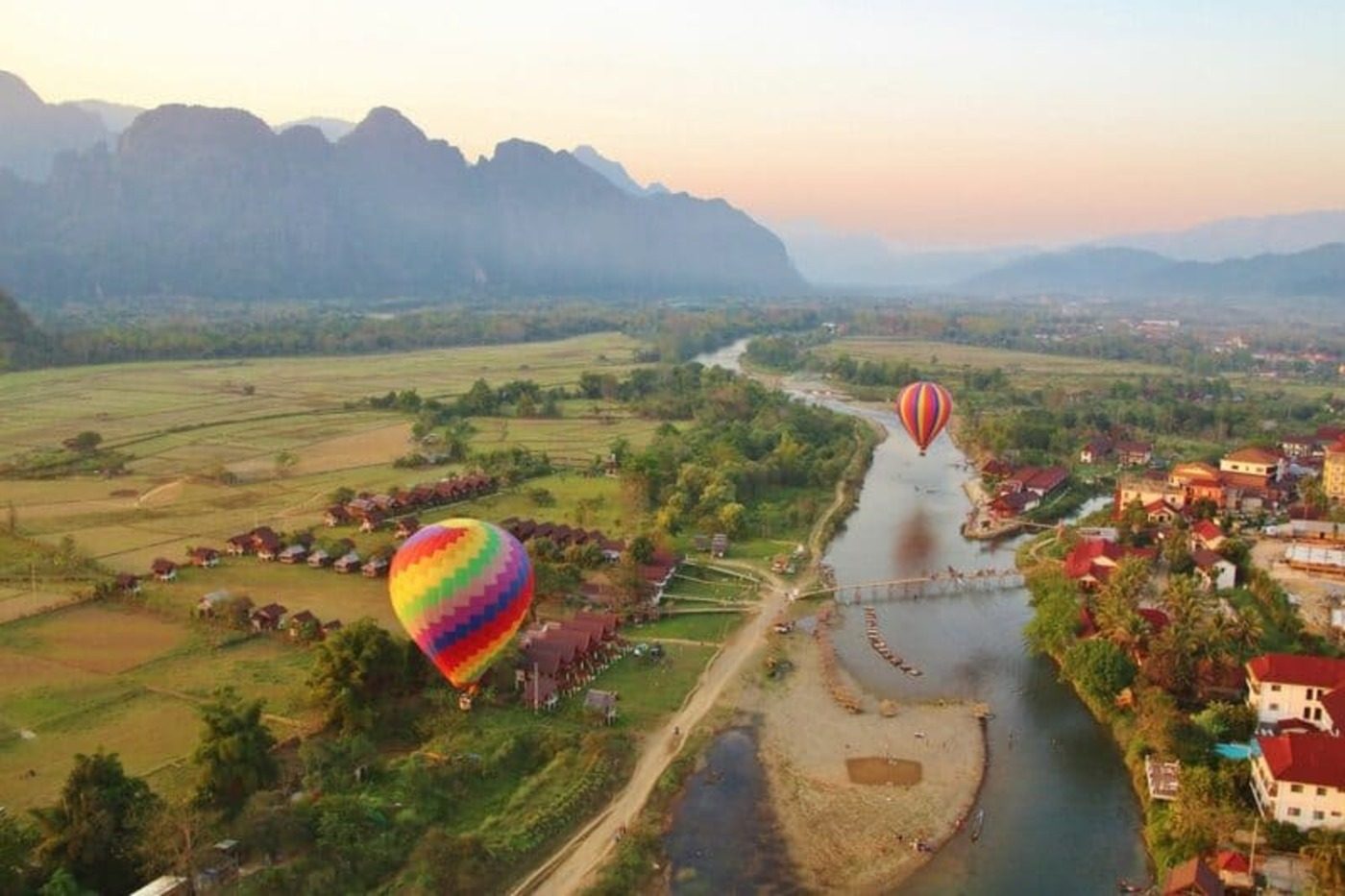
The morning of May 13, 2012 began like any other sunrise flight over the karst formations north of Vang Vieng. Thirteen passengers—mostly Australian and British tourists—boarded a commercial balloon operated by a small adventure tourism company that had launched flights from the valley since 2010. Thirty minutes into the flight, unexpected wind shear forced the pilot to attempt an emergency descent. The basket struck a stand of trees at high speed, ejecting passengers and igniting the envelope. Five people died at the scene; six were airlifted to Vientiane with critical injuries. The vang vieng hot air balloon accident exposed systemic gaps in Laos' nascent adventure tourism industry. Investigators found that the pilot held a commercial license issued by Thailand but had never completed Laos-specific certification. Weather data from Wattay International Airport showed deteriorating conditions that morning, but no ground-to-air communication system existed to relay updated forecasts to pilots already airborne. Equipment logs revealed the balloon's burner assembly had not been serviced in eight months, though no mechanical failure contributed directly to the crash. Laos suspended all hot air balloon operations nationwide in June 2012 and did not resume permits until November 2013. The Civil Aviation Authority introduced mandatory weather briefings within two hours of departure, dual-pilot requirements for passenger loads exceeding eight, and annual third-party inspections of all flight equipment. Operators now file flight plans with air traffic control and carry VHF radios tuned to Vientiane approach frequencies. Insurance minimums rose from 50,000 to 500,000 USD per incident. The valley's two remaining licensed operators—both foreign-owned—run fewer daily departures and cancel flights when surface winds exceed twelve knots, a threshold that would not have prevented launches under pre-2012 norms. The regulatory shift reshaped Vang Vieng's tourism landscape. Ticket prices doubled between 2013 and 2015 as compliance costs absorbed operator margins. Flight frequency dropped from twenty departures per week to fewer than ten. Some travelers avoid balloon flights altogether, citing the accident as reason enough to skip the activity. Others view the post-incident reforms as evidence that the industry learned hard lessons and now operates with transparency absent before the crash. The limestone peaks and Nam Song floodplain remain as photogenic as ever, but the valley's reputation as a budget adventure hub gave way to a more cautious, professionalized tourism model built explicitly to prevent a repeat of May 2012.
“The crash forced Laos to build the regulatory infrastructure that should have existed before the first commercial balloon ever lifted off.”
Safety Standards and the Vang Vieng Hot Air Balloon Accident History
Vang Vieng has experienced multiple hot air balloon safety incidents that have prompted temporary flight suspensions and increased regulatory oversight by local aviation authorities. These events have led to a stronger focus on operator certification and equipment standards for aerial tourism in the region.
A hot air balloon struck high-voltage lines during a descent on March 26, 2026, causing a widespread power outage in the area. No injuries were reported, though the event triggered a formal investigation.
February 2026 temporary flight suspension
Following repeated safety concerns, the Civil Aviation Department of Laos issued an immediate order in late February 2026 suspending all hot air balloon and paramotor flights in Vang Vieng.
Operational oversight and inspections
The Civil Aviation Authority of Laos requires operators to hold a valid Air Operator Permit and undergo rigorous safety inspections to maintain flight eligibility.
Safety standards for equipment
Reputable operators in the region increasingly utilize equipment certified by international bodies like EASA to meet higher quality and safety benchmarks.
Importance of weather conditions
Ballooning operations are strictly contingent on stable weather; pilots frequently cancel or reschedule flights to avoid thermal activity or unfavorable wind conditions.
Role of the Lao Airsports Club
The organization was established to improve local ballooning safety, quality, and pilot qualifications, including the issuance of official Lao ballooning licenses.
Pre-flight safety protocols
Best Practices After a Vang Vieng Hot Air Balloon Accident
Vetting operator safety credentials and understanding current regulations protects you when booking flights in Vang Vieng. Informed choices reduce risk after the region's documented safety incidents.
Do
- Verify the operator holds current Civil Aviation Authority of Laos certification
- Ask to see pilot licenses and recent maintenance logs before booking
- Confirm the balloon carries liability insurance covering passenger incidents
- Check weather briefing protocols and cancellation policies tied to wind conditions
- Request details on passenger weight limits and basket capacity restrictions
- Read recent customer reviews mentioning safety practices and equipment condition
Don't
- Book with operators unwilling to show safety certifications or maintenance records
- Fly with companies that lack clear emergency procedures or first-aid protocols
- Accept vague answers about pilot experience hours or training background
- Board if pre-flight safety briefings are skipped or rushed
- Ignore red flags like damaged equipment or overloaded baskets
- Prioritize the cheapest option without verifying safety standards first
How to Safely Reach the Vang Vieng Hot Air Balloon Site
The hot air balloon launch sites are located in Vang Vieng, Vientiane Province, Laos. The most reliable method to reach the departure point is through operator-arranged transport, which coordinates directly with your accommodation.
Private transfer or hotel pickup service
Local Vang Vieng transport from town center
Walking from central Vang Vieng accommodations
Operational Hours for Vang Vieng Hot Air Balloon Flights
Hot air balloon operations in Vang Vieng run daily throughout the week. Visitors should plan their arrival within the established windows to coordinate with scheduled flight times.
| Monday | 06:00–18:00 | |
|---|---|---|
| Tuesday | 06:00–18:00 | |
| Wednesday | 06:00–18:00 | |
| Thursday | 06:00–18:00 | |
| Friday | 06:00–18:00 | |
| Saturday | 06:00–18:00 | |
| Sunday | 06:00–18:00 |
Vang Vieng Hot Air Balloon Flight Fees
There is no cost to access the balloon launch areas in Vang Vieng. Fees for hot air ballooning are exclusively charged by professional tour operators for the flight services provided.
Visitors do not pay an entrance fee, though hot air balloon flights require booking a service through a tour operator at rates set by the provider.
Check availability
Frequently Asked Questions About Vang Vieng Ballooning
Everything you need to know about vang vieng hot air balloon accident